
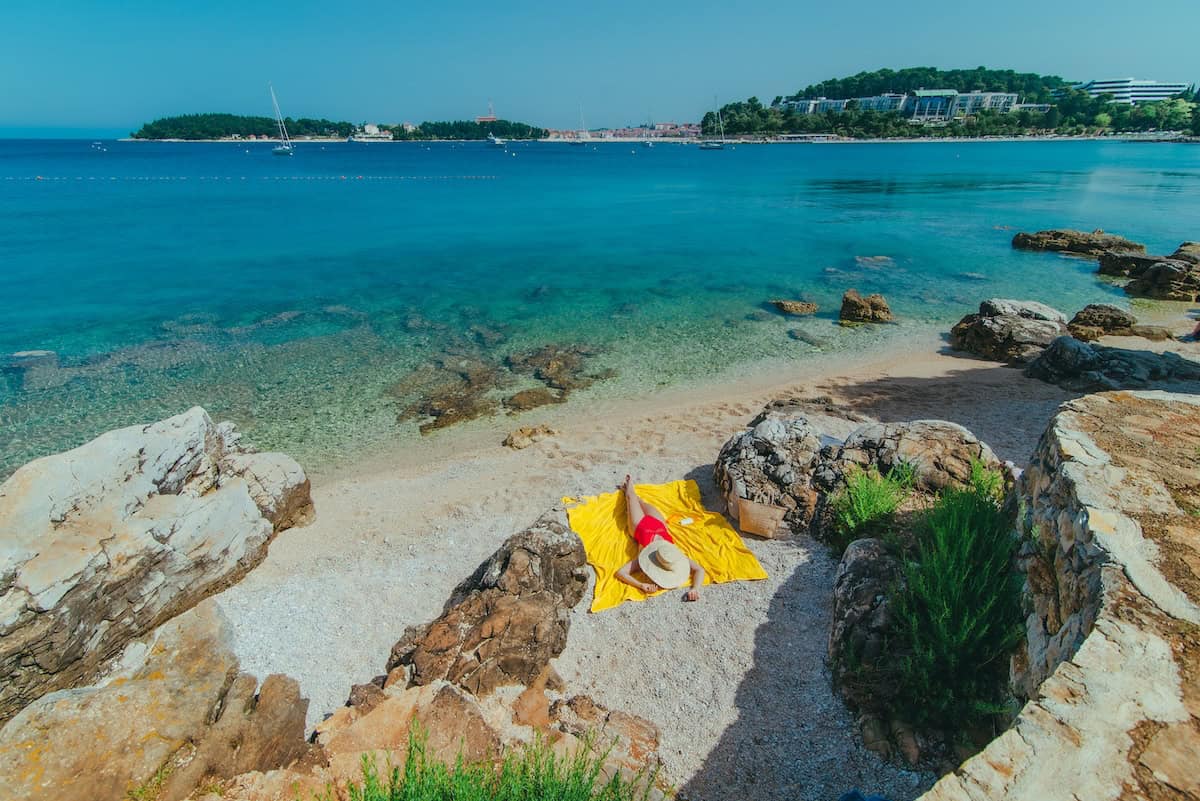
Situated at the crossroads of Central Europe, the Balkans, and the Mediterranean, Croatia boasts a diverse landscape of over 1,200 islands, rugged coastlines, and historic cities. With a rich tapestry of cultural influences—from ancient Illyrians and Romans to Venetians and Austro-Hungarians—Croatia offers travelers a unique blend of natural beauty and historical depth.
Know before you go:
- Capital: Zagreb
- Currency: Euro (€)
- Language: Croatian
- Population: Approximately 4 million
- Religion: Predominantly Roman Catholic
- Time Zone: Central European Time (CET)
- EU & Schengen Member: Yes
- UNESCO World Heritage Sites: 10
- Coastline: Over 5,800 km, including mainland and 1200+ islands
- Best Time to Visit: Late spring (May–June) and early autumn (September–October) for pleasant weather and fewer crowds.
- Peak Season: July–August. Advance bookings are essential. Expect crowds, heat, and higher prices.
- Local Etiquette: Greet with a handshake; tipping is customary.
- Safety: Croatia is generally safe; usual precautions apply.
- Connectivity: SIM cards and Wi-Fi are widely available.
Croatia’s crescent-shaped territory stretches along the Adriatic Sea and inland, encompassing diverse regions. For simplicity and a better overview I’ve divided them into 4 touristic regions:
- Dalmatia: Known for its historic coastal cities like Split and Dubrovnik, and access to stunning islands.
- Istria & Kvarner: Offers a mix of Italian and Slavic cultures, renowned for truffles, wine, and Roman architecture.
- Zagreb & Inland: Features the vibrant capital city and natural wonders like Plitvice Lakes National Park.
- Islands: Over 1,200 islands including Hvar, Korčula, and Brač, each with unique charm and attractions.
Croatian culture is a rich mosaic influenced by various civilizations, evident in its architecture, cuisine, and traditions. The country’s history dates back to ancient times, with significant Roman and Venetian legacies. Here’s a quick breakdown of it’s history:
- Ancient Times: Inhabited by Illyrian tribes; later part of the Roman Empire
- Middle Ages: Established as the Kingdom of Croatia in 925
- Union with Hungary: Entered a personal union with Hungary in 1102, maintaining distinct institutions
- Habsburg Monarchy: Came under Habsburg rule, influencing architecture and culture
- 20th Century: Part of Yugoslavia; declared independence in 1991, leading to the Croatian War of Independence
- Today: Part of the EU and Schengen area.
Top Destinations in Croatia
Dalmatia
Dubrovnik
Known as the “Pearl of the Adriatic,” Dubrovnik boasts well-preserved medieval architecture, including its iconic city walls and historic Old Town. The city’s blend of history and coastal beauty makes it a UNESCO World Heritage site and a popular filming location.
Split
Home to the ancient Diocletian’s Palace, Split seamlessly merges Roman history with modern urban life. Its vibrant waterfront promenade, the Riva, is lined with cafes and offers stunning sea views.
Zadar
A city where ancient history meets contemporary art, Zadar is famous for the Sea Organ and the Sun Salutation installation. Its Roman and Venetian ruins add to its rich cultural tapestry.
Krka National Park
Located near Šibenik, Krka National Park is known for its series of seven waterfalls and the opportunity to swim in designated areas. The park’s wooden pathways and boat tours offer unique perspectives of its landscapes.
Islands
Hvar
Known for its sunny climate, lavender fields, and vibrant nightlife, Hvar is a favorite among travelers seeking both relaxation and entertainment. The island’s historic towns and crystal-clear waters add to its allure.
Korčula
Often referred to as “Little Dubrovnik,” Korčula is famed for its medieval walls and dense forests. Legend has it that the island is the birthplace of explorer Marco Polo.
Istria & Kvarner
Rovinj
This picturesque fishing port is known for its cobbled streets, colorful buildings, and the hilltop Church of St. Euphemia. Rovinj exudes a romantic charm that’s hard to resist.
Pula
Pula is renowned for its well-preserved Roman amphitheater, which still hosts concerts and events today. The city’s rich history and coastal location make it a fascinating destination.
Zagreb & Inland
Zagreb
Croatia’s capital city offers a blend of Austro-Hungarian architecture, vibrant street life, and numerous museums and galleries. The city’s Upper and Lower Towns provide diverse experiences for visitors.
Plitvice Lakes National Park
A UNESCO World Heritage site, Plitvice Lakes is famed for its cascading lakes and waterfalls set amidst lush forests. The park’s wooden walkways allow visitors to explore its natural beauty up close.
Top 10 Experiences in Croatia
- Explore Plitvice Lakes National Park: Wander through cascading lakes and lush forests in this UNESCO World Heritage site.
- Walk the Walls of Dubrovnik: Stroll along the ancient city walls for panoramic views of the Adriatic Sea.
- Visit the Sea Organ in Zadar: Listen to the unique musical instrument played by the sea’s waves.
- Discover Diocletian’s Palace in Split: Explore the remnants of a Roman emperor’s palace integrated into the city’s old town.
- Taste Truffles and Wine in Istria: Indulge in gourmet experiences in the Istrian countryside.
- Island Hopping: Sail between islands like Hvar, Korčula, and Vis, each offering distinct experiences.
- Kayak Around Rovinj: Paddle through the serene waters surrounding this picturesque coastal town.
- Visit the Ston City Walls: Walk along one of the longest defensive walls in Europe.
- Experience the Biokovo Skywalk: Step onto a glass platform for breathtaking views of the coastline.
- Attend a Traditional Sword Dance in Korčula: Witness the centuries-old Moreska dance, a unique cultural performance.
Getting Around Croatia
- By Car: Ideal for exploring inland regions and national parks.
- Public Transport: Reliable bus and train networks connect major cities and towns.
- Ferries: Essential for reaching islands; operated by companies like Jadrolinija and Krilo.
- Sailing: Charter boats or join sailing tours to explore the Adriatic coastline and islands.
- Domestic Flights: Available between major cities.
- See the full Guide on Getting To & Around Croatia
Where to Stay in Croatia
Dalmatia
- Dubrovnik: Stay within or near the Old Town for easy access to historical sites.
- Split: Opt for accommodations near Diocletian’s Palace.
- Zadar: Choose the Old Town for cultural experiences or the Borik area for beaches.
Istria & Kvarner
- Rovinj: Stay in the historic center for charm and sea views.
- Pula: Accommodations near the Roman amphitheater offer a blend of history and convenience.
Zagreb & Inland
- Zagreb: The Lower Town (Donji Grad) provides proximity to museums and parks.
- Plitvice Lakes: Lodging in nearby villages like Rastovača offers early access to the park.
Islands
- Hvar: Stay in Hvar Town for nightlife or Stari Grad for a quieter experience.
- Korčula: Korčula Town offers medieval charm, while Lumbarda is known for beaches and vineyards.
- Brač: Bol is popular for its beaches, including the famous Zlatni Rat.
Sample Itineraries
7-Day Coastal Highlights
- Day 1: Arrive in Dubrovnik; explore the Old Town and city walls.
- Day 2: Day trip to Lokrum Island or Mount Srđ.
- Day 3: Travel to Split; visit Diocletian’s Palace.
- Day 4: Ferry to Hvar; enjoy beaches and nightlife.
- Day 5: Explore Hvar’s interior or nearby islands. Take a day trip to the Blue Cave.
- Day 6: Return to Split; visit Trogir or Krka NP.
- Day 7: Depart from Split.
10-Day Cultural and Natural Wonders
- Day 1: Arrive in Zagreb; explore the city center.
- Day 2: Travel to Plitvice Lakes; afternoon hike.
- Day 3: Morning in Plitvice; drive to Zadar.
- Day 4: Explore Zadar’s Old Town and Sea Organ.
- Day 5: Visit Krka NP or sail to Kornati NP.
- Day 6: Travel to Split; visit historical sites.
- Day 7: Day trip to Trogir and the Blue Lagoon.
- Day 8: Ferry to Hvar; explore the town.
- Day 9: Relax on Hvar or visit the Pakleni Islands and the Blue Cave
- Day 10: Travel to Dubrovnik; climb the city walls.
14-Day Comprehensive Exploration
- Days 1–2: Zagreb and surroundings.
- Days 3–4: Plitvice Lakes and travel to Zadar.
- Days 5–6: Zadar and Krka National Park.
- Days 7–8: Split and Trogir.
- Days 9–10: Hvar and nearby islands.
- Days 11–12: Korčula and Pelješac Peninsula.
- Days 13–14: Dubrovnik and departure.
Eat & Drink in Croatia
Croatian cuisine reflects its diverse cultural influences:
- Istria: Famous for truffles, olive oil, and Malvasia wine.
- Dalmatia: Known for seafood dishes like black risotto and grilled fish.
- Slavonia: Offers hearty meals like kulen sausage and paprika-infused stews.
Don’t miss local beverages such as rakija (fruit brandy) and regional wines.